How Full Thought Works
“What Were You Thinking?!”
Sometimes... they don’t know yet.
We often ask children, ‘What were you thinking?’ or ‘Why did you do that?’... But understanding our own thoughts, emotions, reactions, and choices requires skills that develop over time.
Full Thought was created from the belief that instead of simply expecting children to know why they responded a certain way, we can give them opportunities to develop the ability to pause, look inward, ask questions, make connections, and understand themselves more deeply.
With support and practice, children can begin shifting from simply responding to what happens around them toward pausing, thinking, and choosing more thoughtful responses.
Critical Thinking for Life
Critical thinking is at the heart of Full Thought because it reaches far beyond academics.
When children learn to question, reflect, consider different perspectives, explore why things happen, and examine their own thinking, they are developing skills that can support greater autonomy, thoughtful decision-making, stronger relationships, and kindness toward themselves and others.
The goal is not to tell children what to think. It is to help them develop the curiosity, skills, and confidence to think deeply for themselves.
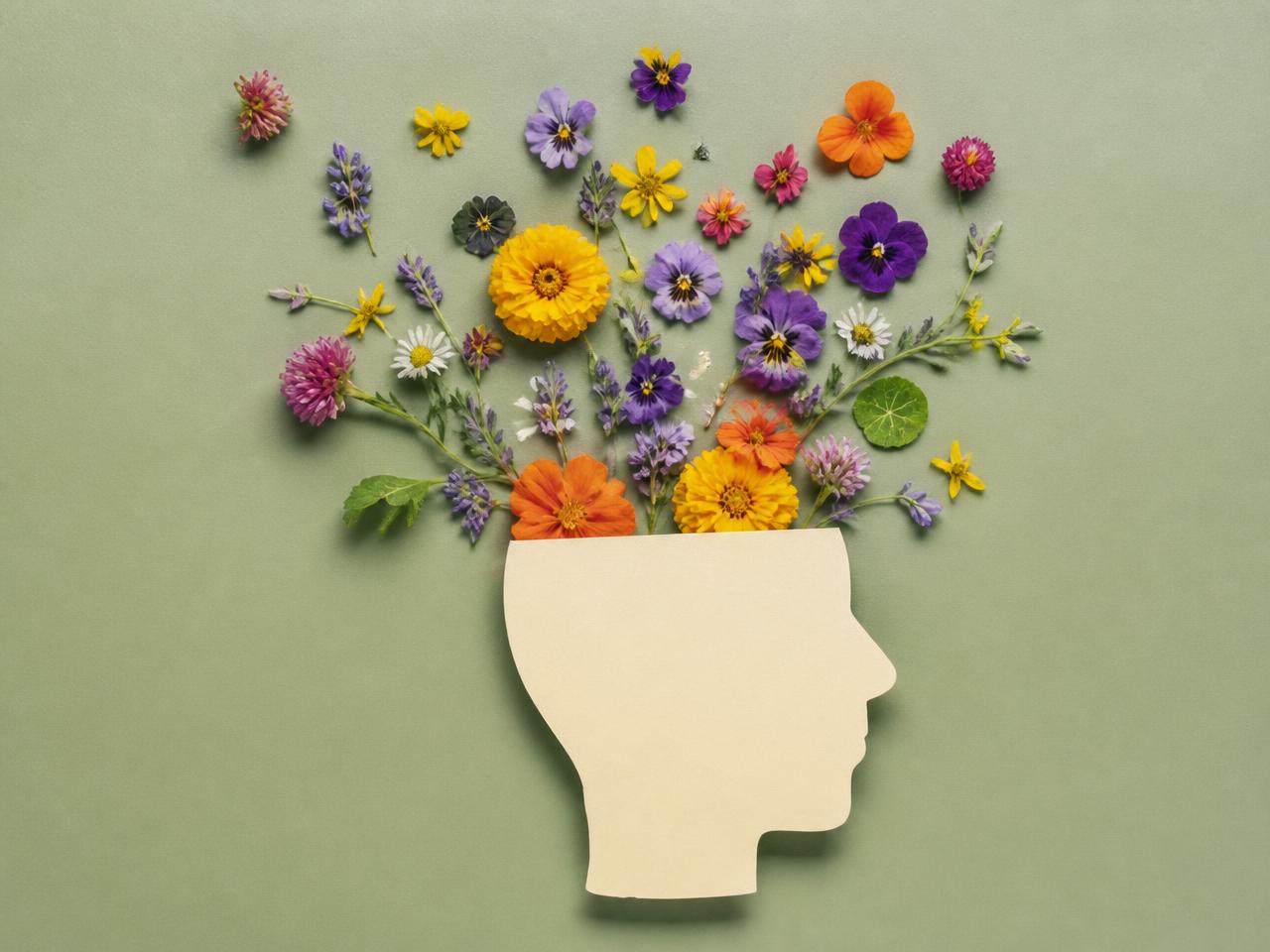
- Curiosity
- Autonomy
- Reflection
- Perspective
- Thoughtful Choice
The Full Thought Arrival Ritual
Learning begins the moment they walk through the door.
Each session begins with an intentional arrival ritual where children independently make simple choices. We then reflect on those choices together in a natural, non-intimidating way.
These small choices have purpose — immediately fostering self-awareness, autonomy, critical thinking and decision-making.
Notice. Think. Choose. Reflect.
Children Are Still Learning How to Be in the World.
Children are often given rules and expectations for how they should behave without always being given the opportunity to understand the why behind them.
Full Thought creates space for questions.
- Why did that happen?
- What am I feeling?
- Why might someone else feel differently?
- What do I need?
- What else could be true?
- What could I try next?
Rather than expecting children to already have these answers, we practise the thinking that helps them discover their own.
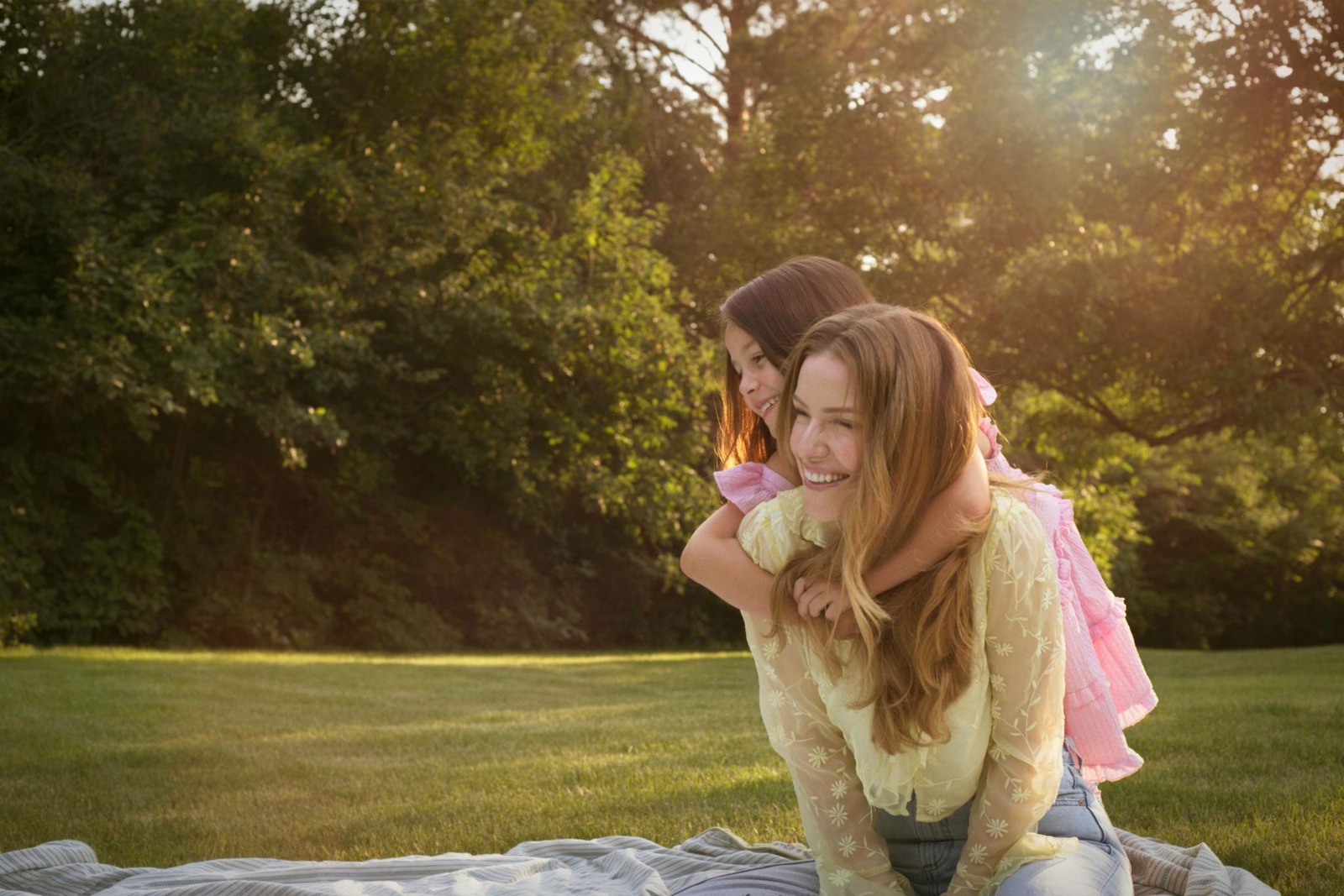
Hi, I’m Robyn.
For more than a decade, I’ve worked professionally with children across a wide range of ages, abilities, developmental stages, behaviours, and environments. I hold a Master’s degree in Educational Psychology and a Bachelor’s degree in Education. My academic training and professional experience have given me a strong foundation in understanding how children think, learn, communicate, develop, and respond to the world around them.
I created Full Thought from the belief that supporting a child’s development goes beyond teaching them what to think. Children benefit from learning how to think critically, understand themselves, consider different perspectives, communicate their thoughts, and make thoughtful decisions.
My approach brings together my academic training, professional experience, and understanding of child development with the perspective I have gained as a mother. Full Thought allows me to work with each child as an individual, considering their experiences, strengths, emotions, questions, and unique ways of thinking.
Looking at the Whole Child
Children do not think, feel, learn, or respond in isolation. Full Thought takes a holistic perspective, considering the many parts of a child’s life and development that may shape their experiences.
- Development
- Emotions
- Relationships
- Experiences
- Environment
- Routines
- Sleep
- Nutrition
- Learning
No single factor explains a child’s behaviour. Together, these areas help us develop a fuller understanding of the child and where curiosity, conversation, and support may be valuable.
The Goal Is Greater Autonomy.
My hope is that children leave Full Thought feeling more confident in understanding and articulating their thoughts, feelings, and needs while developing strategies that help them respond to themselves and the world around them.
I want children to become thoughtful, curious people who can ask questions, understand themselves, consider others, make increasingly independent decisions, and trust their own ability to think.